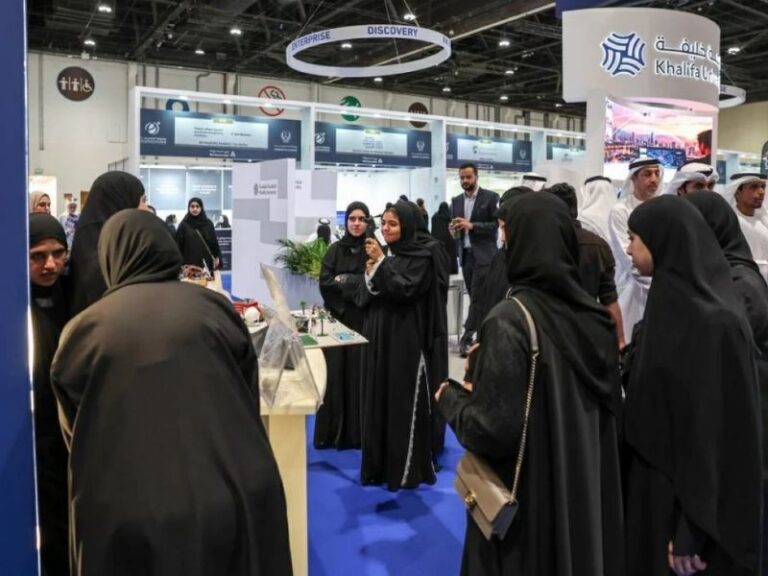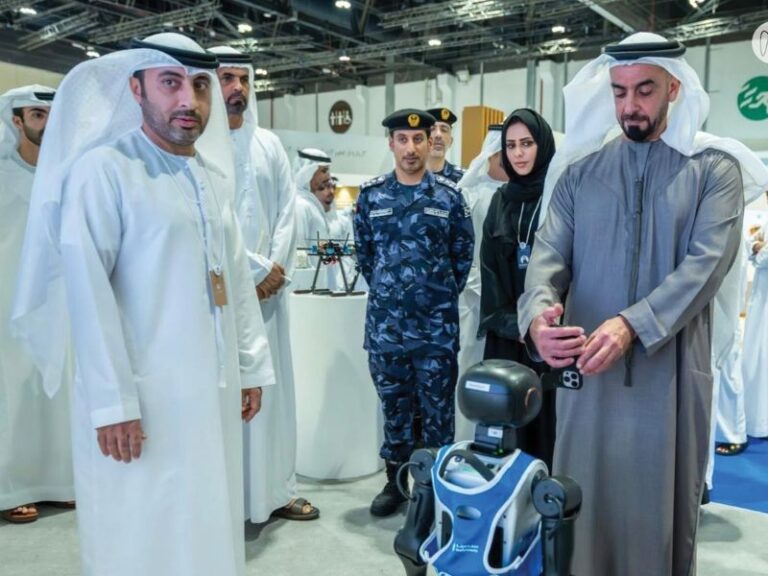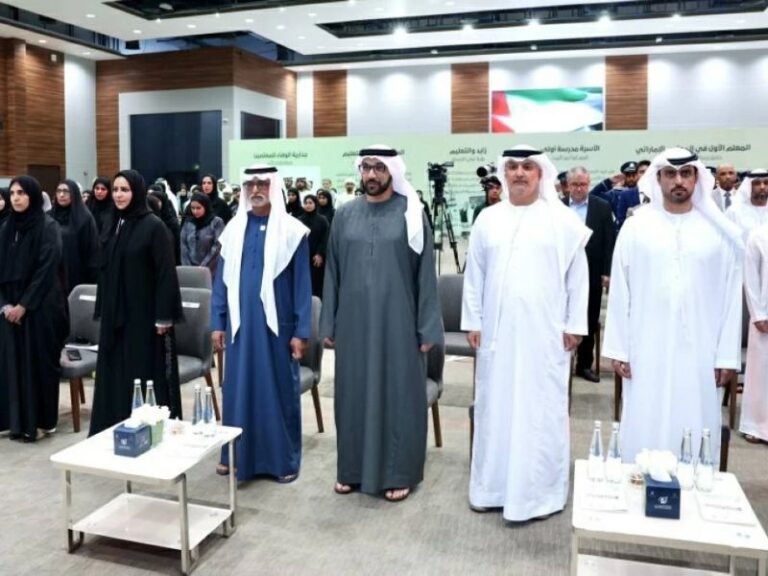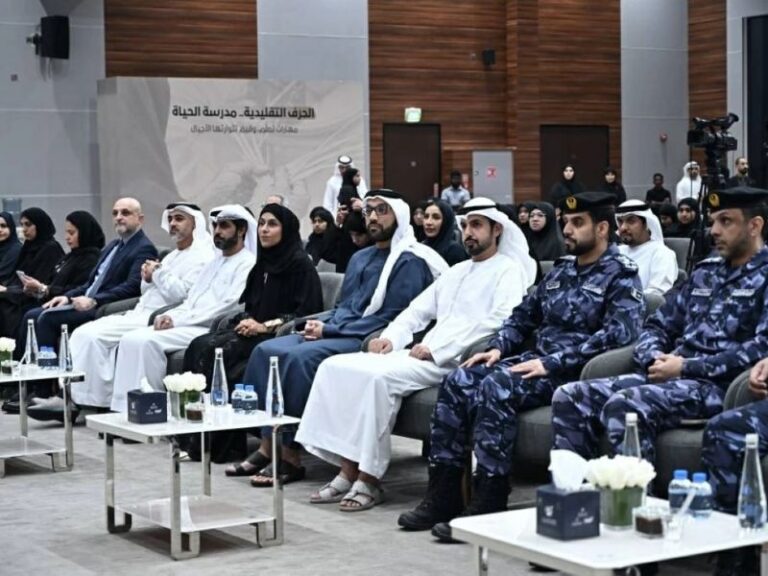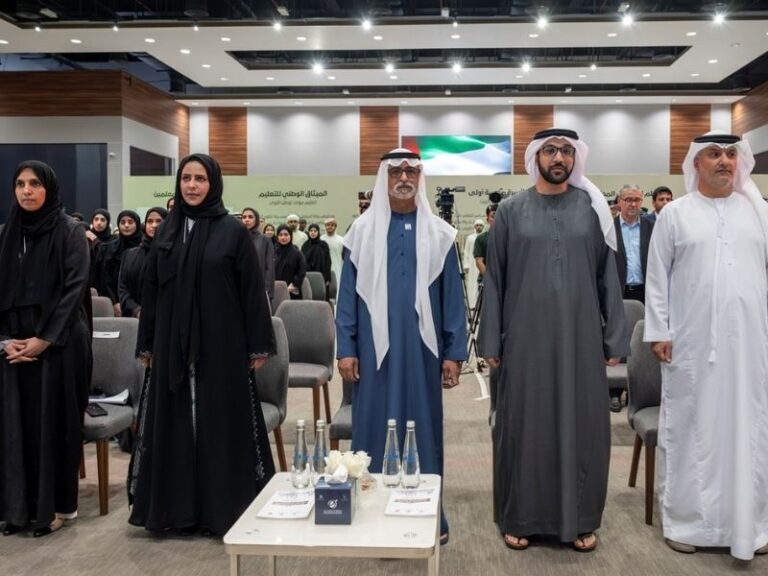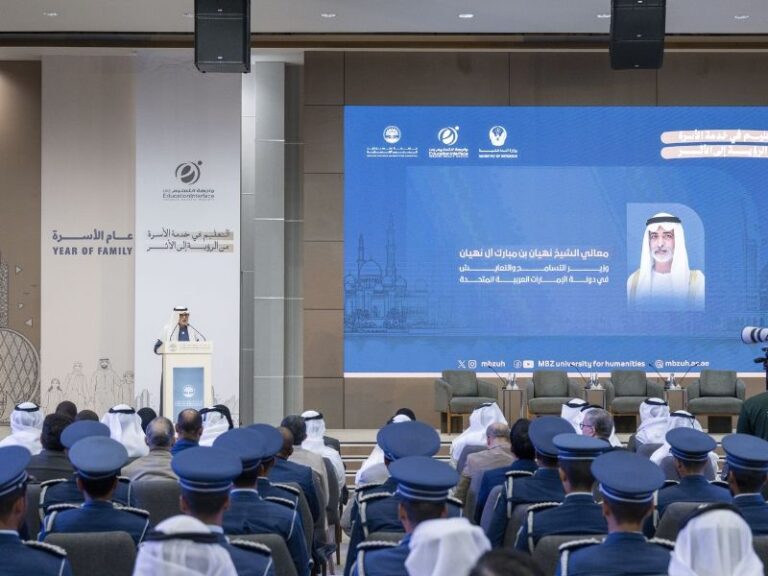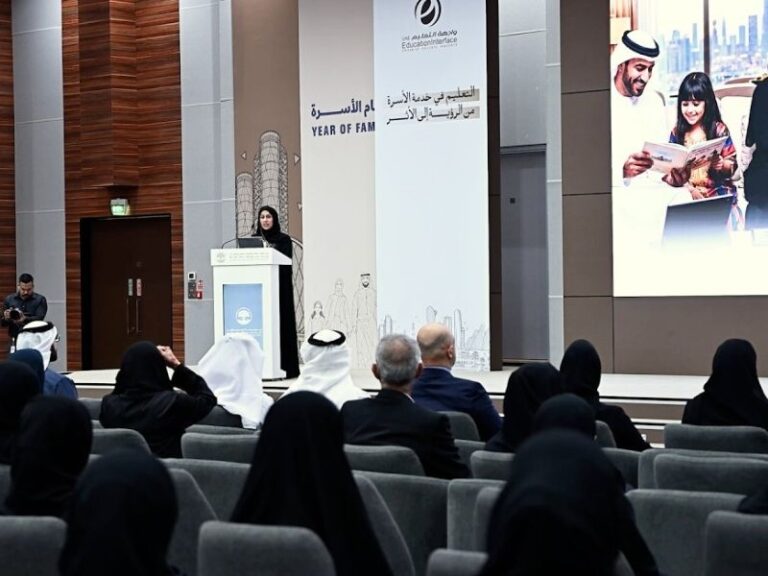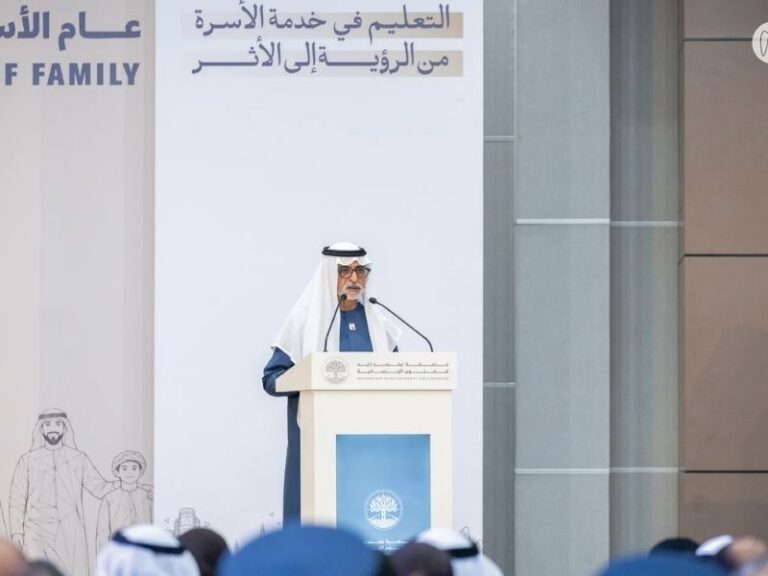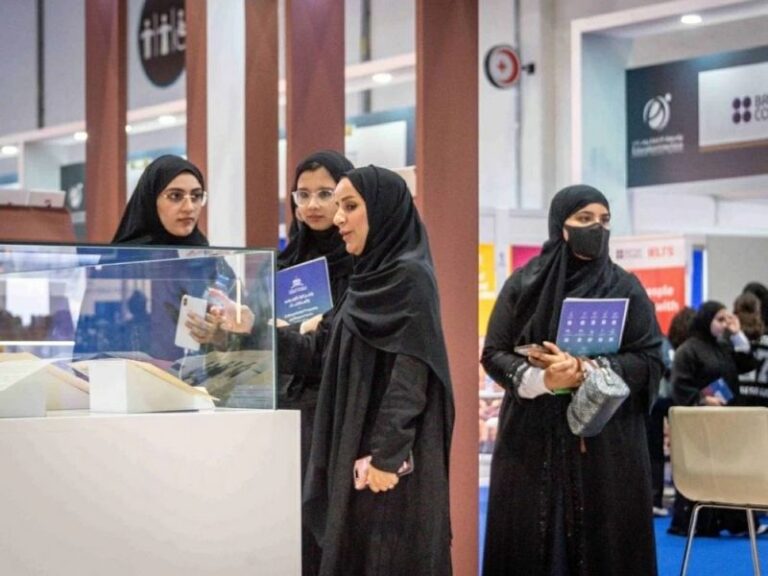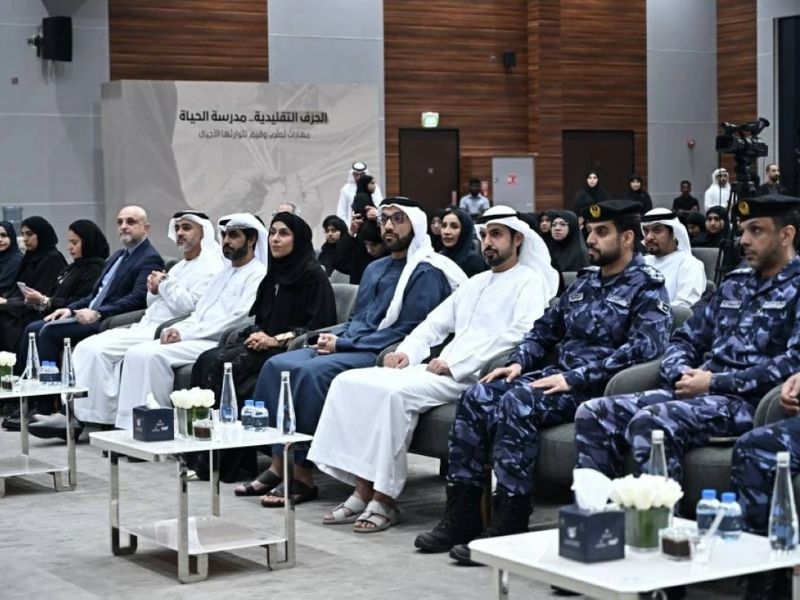
The UAE capital, Abu Dhabi, witnessed prominent media attention accompanying the launch of the “Education in the Service of the Family: From Vision to Impact” conference, hosted by Mohamed bin Zayed University for Humanities (MBZUH) in strategic partnership with the Education Interface platform, under the patronage of His Highness Lieutenant General Sheikh Saif bin Zayed Al Nahyan, Deputy Prime Minister and Minister of Interior. Joint coverage across Al Khaleej, Al Bayan, and Al Fajr, alongside international news outlet uaevartha, agreed that the event laid the foundational groundwork for a modern educational paradigm aligned with the “Year of the Family 2026” and the “National Family Growth Agenda 2031.”<br/>
Press reports highlighted that the three-day conference addressed rapid digital transitions and the proliferation of artificial intelligence. It served as an intellectual and research hub paving the way for the 12th edition of the annual Education Interface Exhibition at the ADNEC Centre Abu Dhabi, collectively forming an integrated national ecosystem uniting policymakers, scholars, families, and students.<br/>
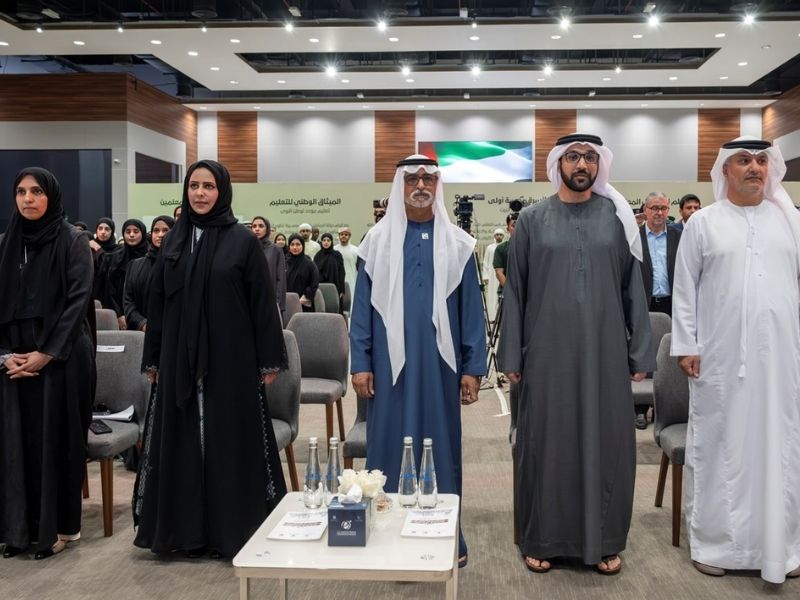
Al Bayan and Al Khaleej: Technological Balance and Shared Responsibility
Al Bayan highlighted the Day One keynote address delivered by Her Excellency Hessa bint Essa Buhumaid, Director General of the Community Development Authority in Dubai (CDA). Her Excellency affirmed that the UAE strives to nurture socially and humanly balanced citizens who master digital tools without weakening their familial bonds. She noted that technology has become an intrinsic part of children’s daily lives, underscoring the urgent need for a protective ecosystem shielding youth from digital isolation and dependency through awareness and living parental role models.
Al Bayan reviewed findings from the periodic Dubai Social Survey, which revealed that 22% of respondents think continuously about their smartphones even when not in use. The report pointed out that national institutions responded with proactive regulatory frameworks, foremost among them setting the minimum age at 15 for managing personal social media accounts to safeguard youth wellbeing and psychological balance.<br/>
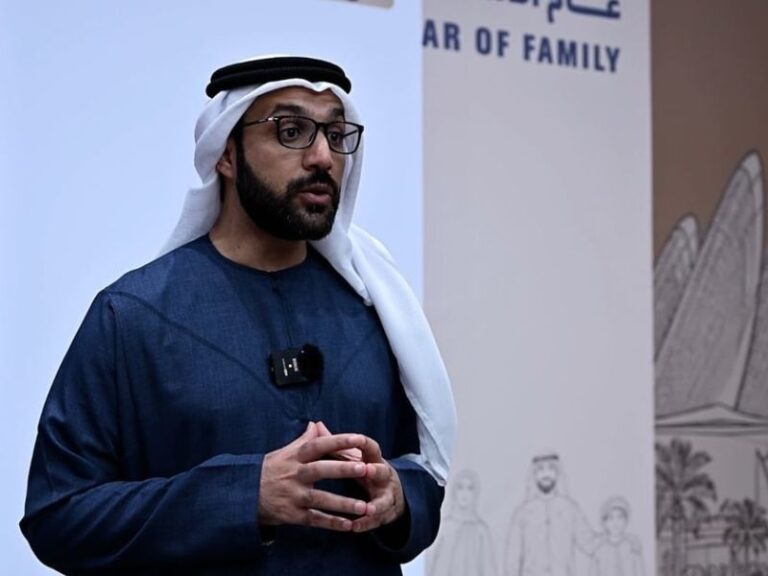
From its side, Al Khaleej cited statements by Dr. Khalifa Mubarak Al Dhaheri, Chancellor of Mohamed bin Zayed University for Humanities, who emphasized that high-impact education transcends mere transmission of information to shaping well-rounded personalities committed to their cultural roots and national values. He explained that digital learning within homes has redefined pedagogical responsibilities between schools and households, necessitating the cognitive and pedagogical empowerment of parents.
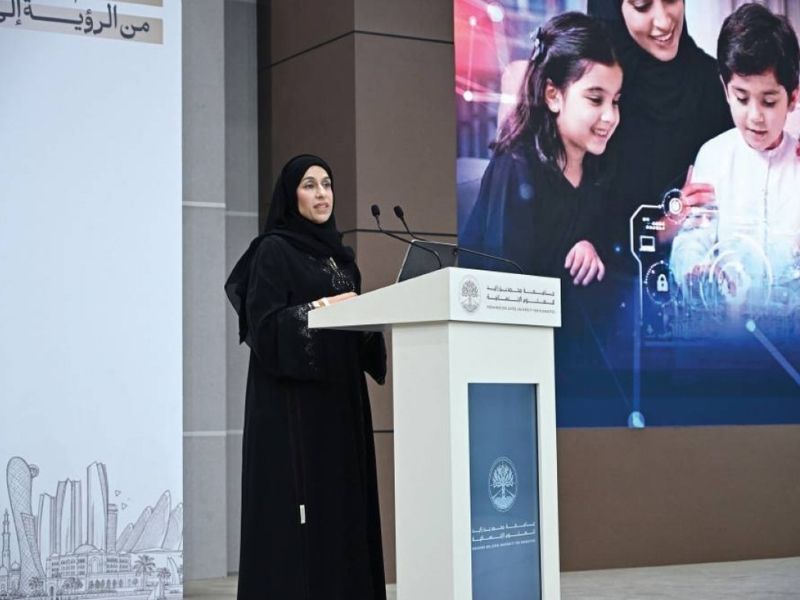
Objectives of Digital Wellbeing for the Emirati Family Amid Artificial Intelligence
The opening panel discussion, followed closely by the press, focused on “Integrated National Roles in Family Empowerment and Youth Development.” Abdullah Ali Al Nuaimi, Assistant Undersecretary at the Ministry of Family, affirmed that enhancing public-private partnerships between educational institutions and parents constitutes direct investment in human capital, directly advancing the goals of the “We the UAE 2031” vision.
From a preventive security standpoint, Brigadier Dr. Khalfan Saeed Al Naqbi, representative of the Ministry of Interior, affirmed that domestic stability represents the first line of national defense. He outlined the ministry’s early intervention and psychological counseling roadmaps to protect youth from cyber extortion, digital bullying, and privacy violations.
These perspectives aligned with contributions from business and industry leaders. Sultan Al Ghaithi, Group Chief Human Resources Officer at AD Ports Group, affirmed that preparing students for future-oriented careers demands practical competencies beyond conventional academic certificates, such as adaptability and continuous learning. Abdullah Al Jneibi, Managing Director at First Abu Dhabi Bank (FAB), noted that the banking sector relies increasingly on critical thinking and technological agility alongside traditional expertise. Dr. Wdeema bin Hamoodah Al Dhaheri, Vice Chairperson of the Platform’s Higher Committee, underlined the importance of safeguarding ethical foundations alongside digital advancement, while Asma Seddiq Al Mutawa urged the revitalization of home and school dialogue through the initiative “A Generation That Reads, Questions, and Creates.”
Uaevartha and Al Fajr: Launch of the “Family Book” and Global Partnerships
From an international angle, Uaevartha evaluated the global dimensions of the conference, highlighting that participating scholars examined the family unit as an anchor of social stability amid rapid technological shifts. In alignment with Al Fajr, the outlet confirmed the official launch of the “Family Book,” a collaborative research reference published jointly by MBZUH and Education Interface. The reference draws on domestic field studies and empirical data to supply policymakers with actionable recommendations supporting social cohesion.
Concluding their analyses, press reports confirmed that the conference established a strategic roadmap driving digital wellbeing for the Emirati family, ensuring that the national education ecosystem continues to graduate top-tier talent possessing both scientific readiness and solid ethical awareness.
Related Coverage & Resources:
[Learn more about the Education Interface Exhibition here]
[Discover the sponsors and strategic partners of Education Interface here]